http://www.globalsecurity.org/military/facility/charleston_nws.htm
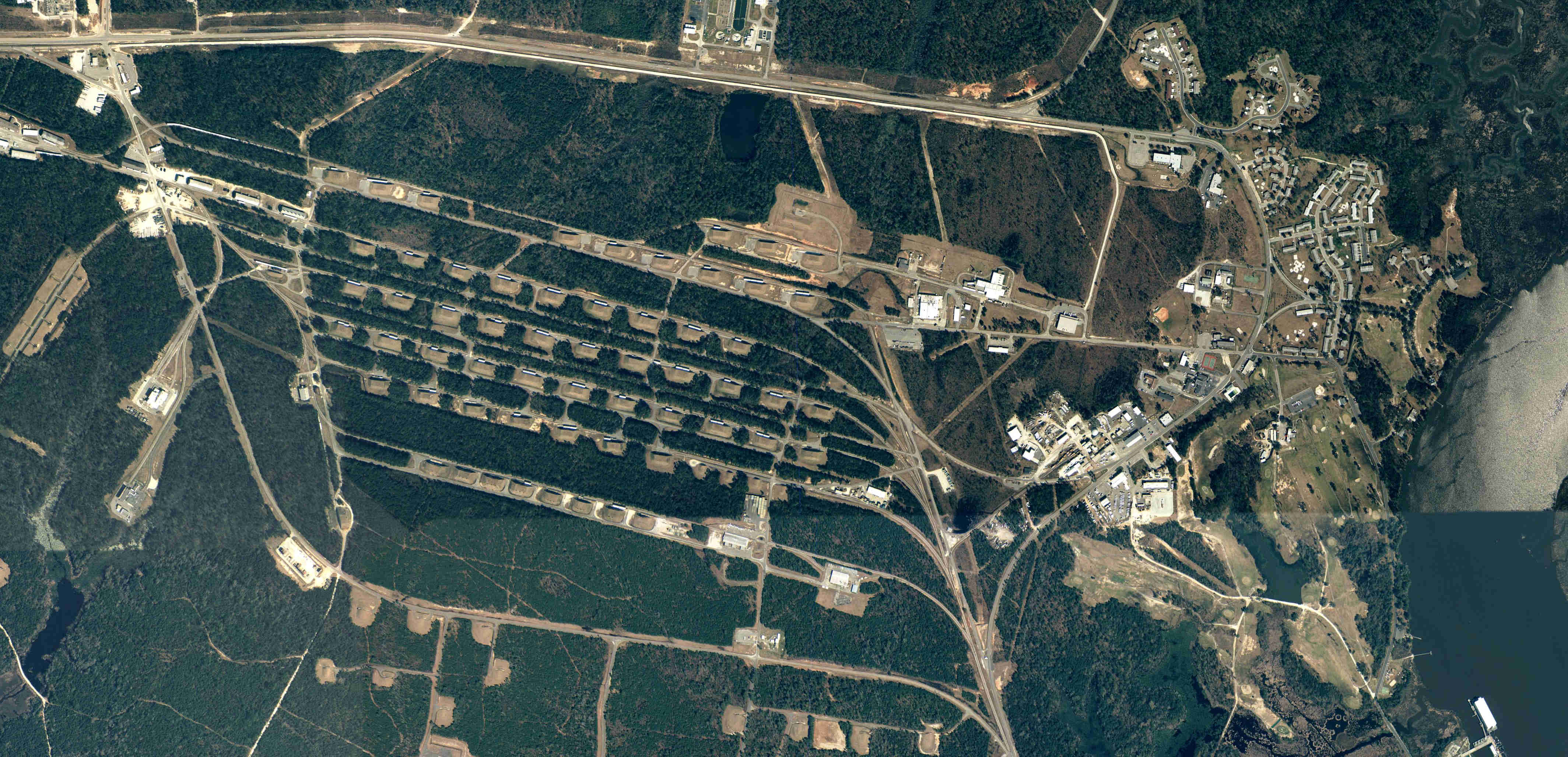
Charleston Naval Weapon Station
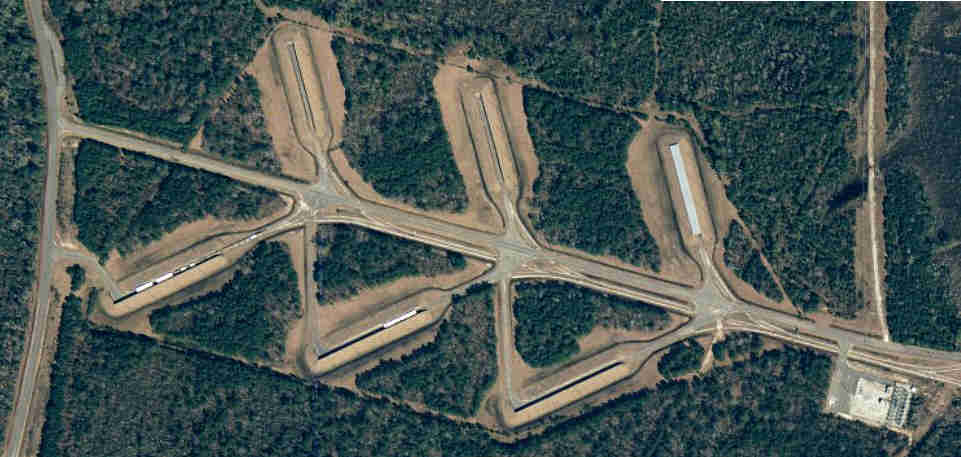
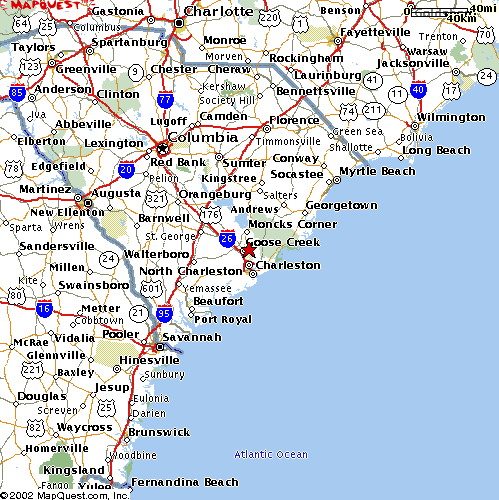
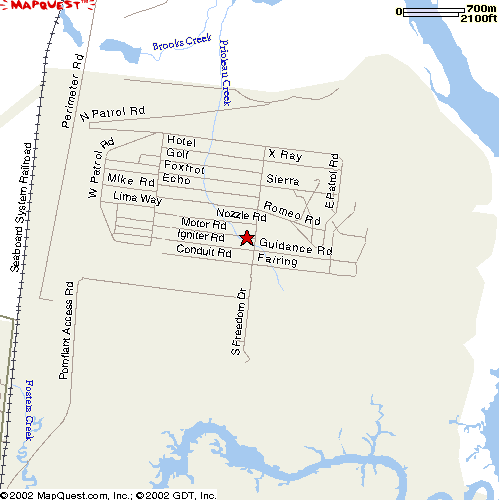
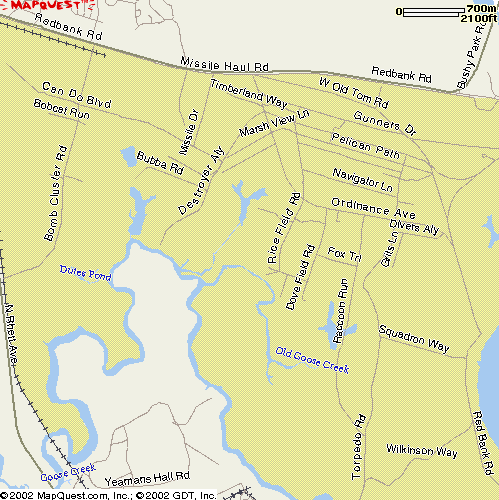
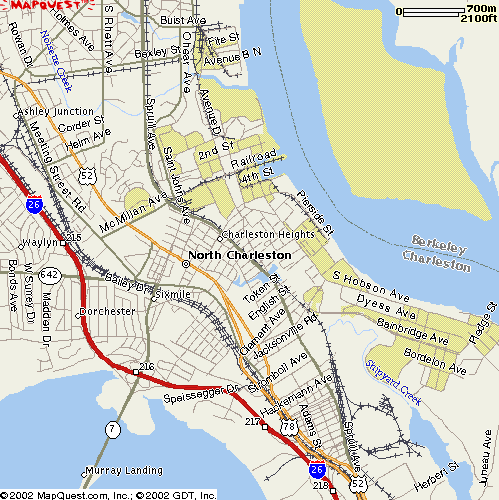
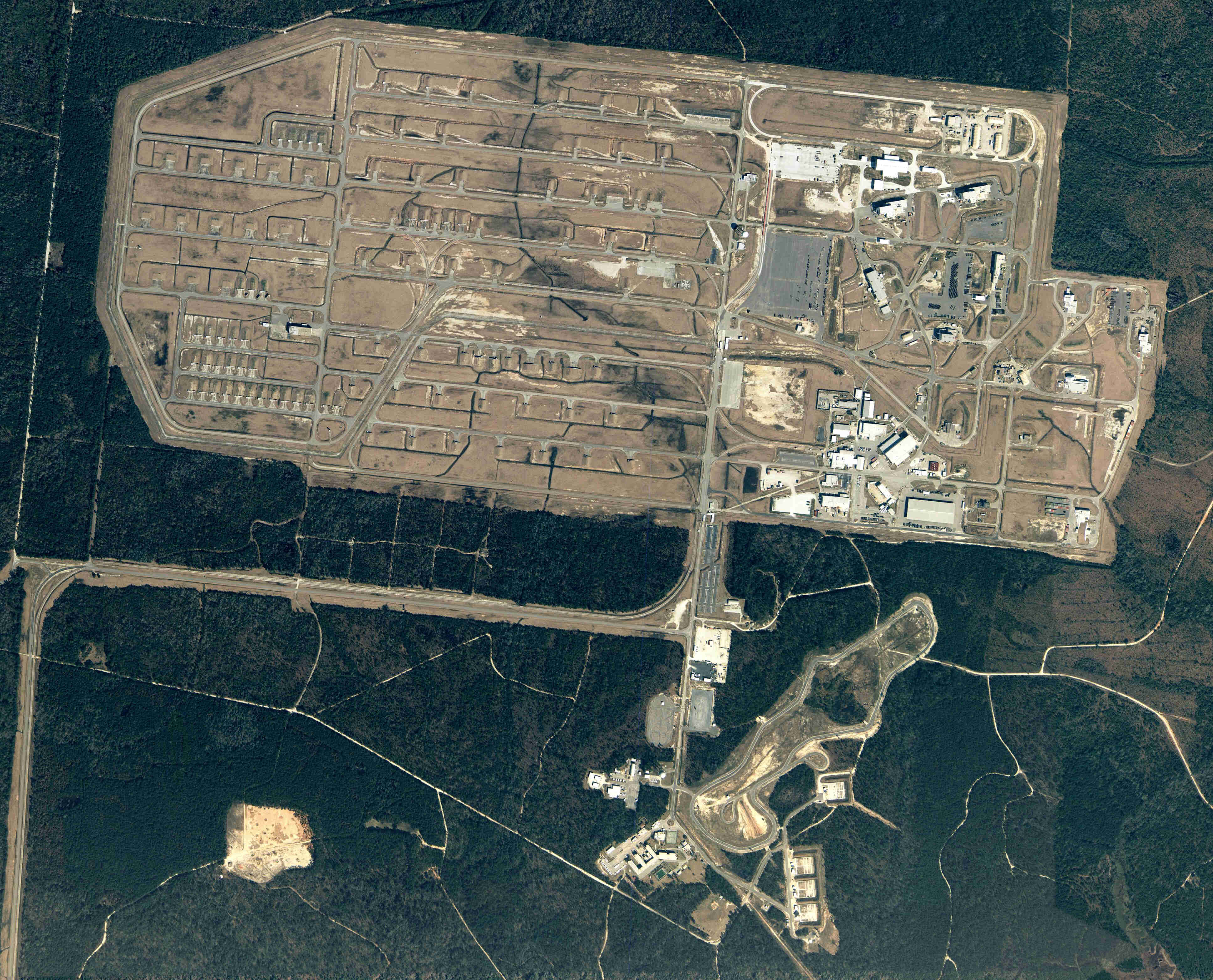
Sixty W-80-0 Tomahawk SLCM munitions and 85 nuclear aerial bombs for deck-based
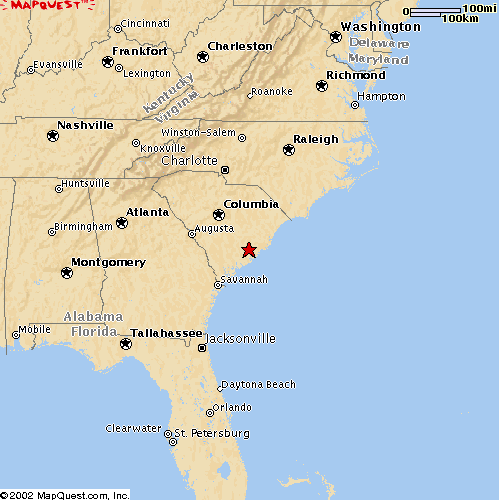
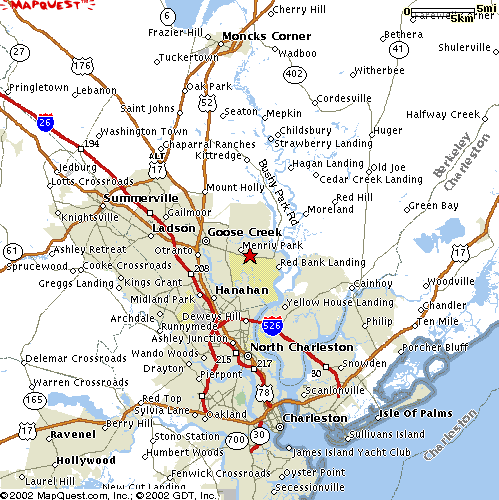
aircraft are stored at Charleston Naval Weapons Station, located on the west
bank of the Cooper River, 40 km from Charleston, South Carolina.
The mission of the Naval Weapons Station Charleston is to maintain and operate
facilities and provide, as appropriate, services and material to support
operations of commands of the operating forces of the Navy, and other
organizations designated by the Chief of Naval Operations (CNO), and to perform
such other functions and tasks as may be directed by higher authority. The
facility also supports the Maritime Prepositioning Force (MPF) Program; and
serves as homeport for ships as directed by the Chief of Naval Operations
(CNO), and Commander, Military Sealift Command (MSC).
Naval Weapons Station, Charleston (NAVWPNSTA CHASN) was commissioned as the
US Naval Ammunition Depot on 5 November 1941. The 6,701 acre original site
was purchased when it became apparent that ammunition could no longer be
safely handled in large quantities at the Naval Station. One year later,
an additional 5,187 acre tract was purchased. During World War II the mission
of the depot was to receive ammunition from inland plants and issue it to
ships being built at the Charleston Naval Shipyard. Following the war, the
depot was tasked with handling the removal of ammunition from some 370 ships
being deactivated. In 1947 the depot was nearly deactivated and returned
to private ownership; however, in 1948 it was placed in standby status. Only
those operations required to store ammunition for ships undergoing overhaul
at the shipyard were conducted. This condition continued until the mid 1950s.
The mission was then expanded to include handling of guided missiles and
loading new Polaris submarines.
By 1960, the first Polaris Missile Facility Atlantic (POMFLANT) was constructed.
During this same period, facilities were built at the NAVSPNSTA CHASN for
handling the first surface launched Terrier guided missile. During the 1960s,
both NAVWPNSTA CHASN and its major tenant, POMFLANT, continued to expand
their missions with NAVWPNSTA CHASN acquiring an additional 1,656 acres of
land in leases, easements, and through civil actions. Facilities were added
at NAVWPNSTA CHASN for the new Terrier, Tartar, and Hawk missiles in 1965
and the Standard and Red Eye missiles in 1969. In the 1970s, over 2,730 acres
of additional land was acquired. NAVWPNSTA CHASN continued to improve its
torpedo and mine capability during this time. In September 1980 NAVWPNSTA
CHASN assumed coordination responsibilities of Charleston Army Depot for
Anniston Army Depot, Anniston, Alabama. By Memorandum of Understanding,
Commanding Officer, NAVWPNSTA CHASN, agreed to manage maintenance, utilities,
supply, and security services at Charleston Army Depot until the formal turnover
from the Department of the Army to the Department of the Navy. Acquisition
rights to the real estate and buildings at the Charleston Army Depot were
transferred to NAVWPNSTA CHASN on 30 September 1981. At that time the name
changed to NAVWPNSTA South.
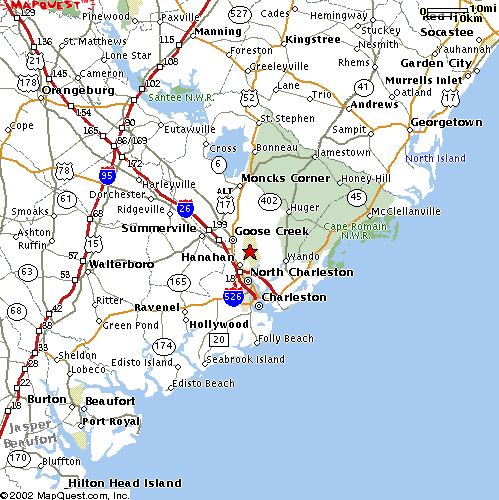
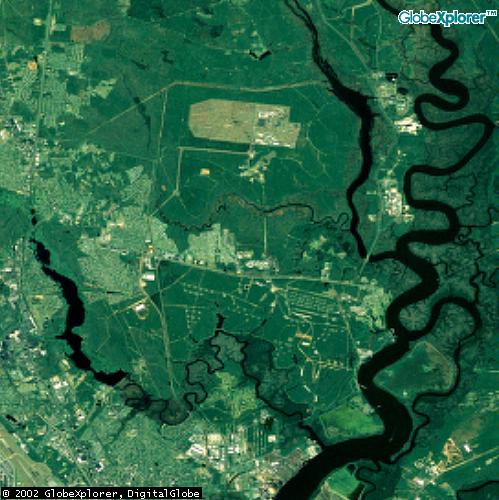
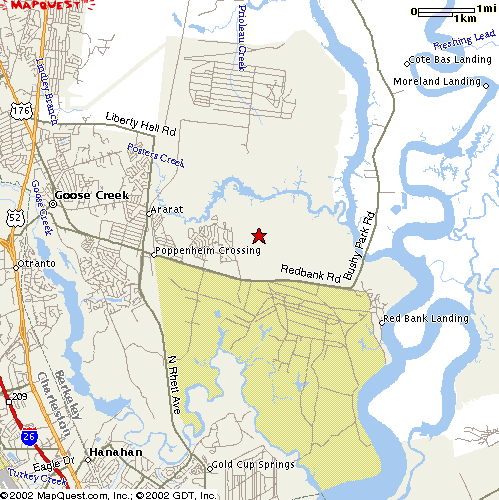
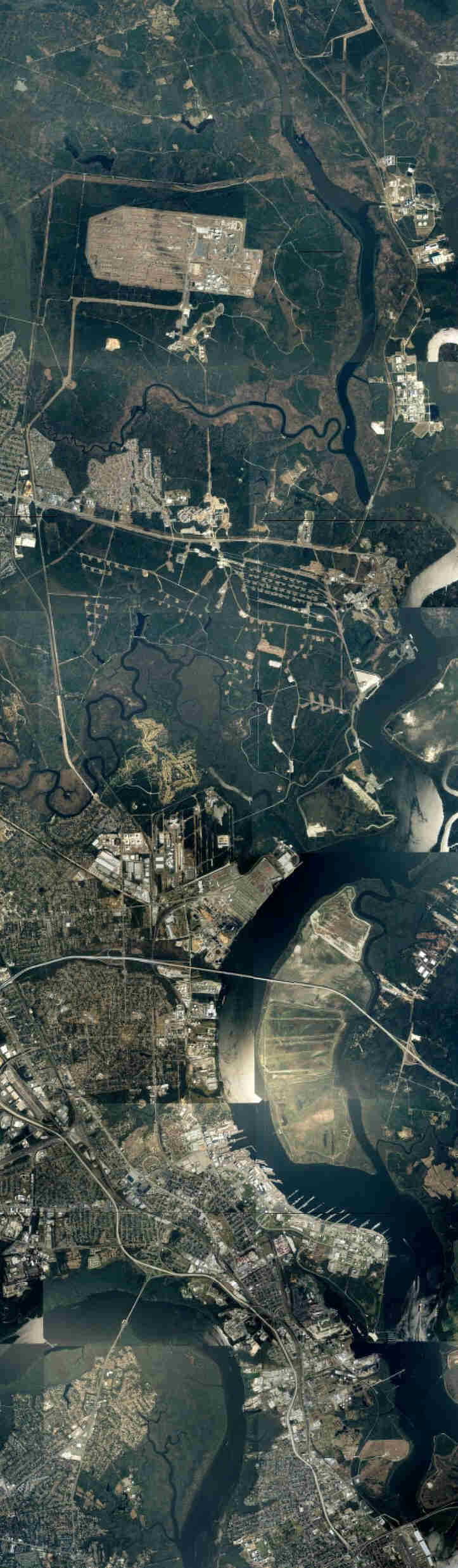
NAVWPNSTA CHASN is located on the west bank of the Cooper River in the southeast
portion of Berkeley County, 25 miles from Charleston and 13 river miles from
the Atlantic Ocean.
Jose Padilla, alleged dirty bomber terrorist, may be imprisoned at the Charleston
Naval Weapons Station.